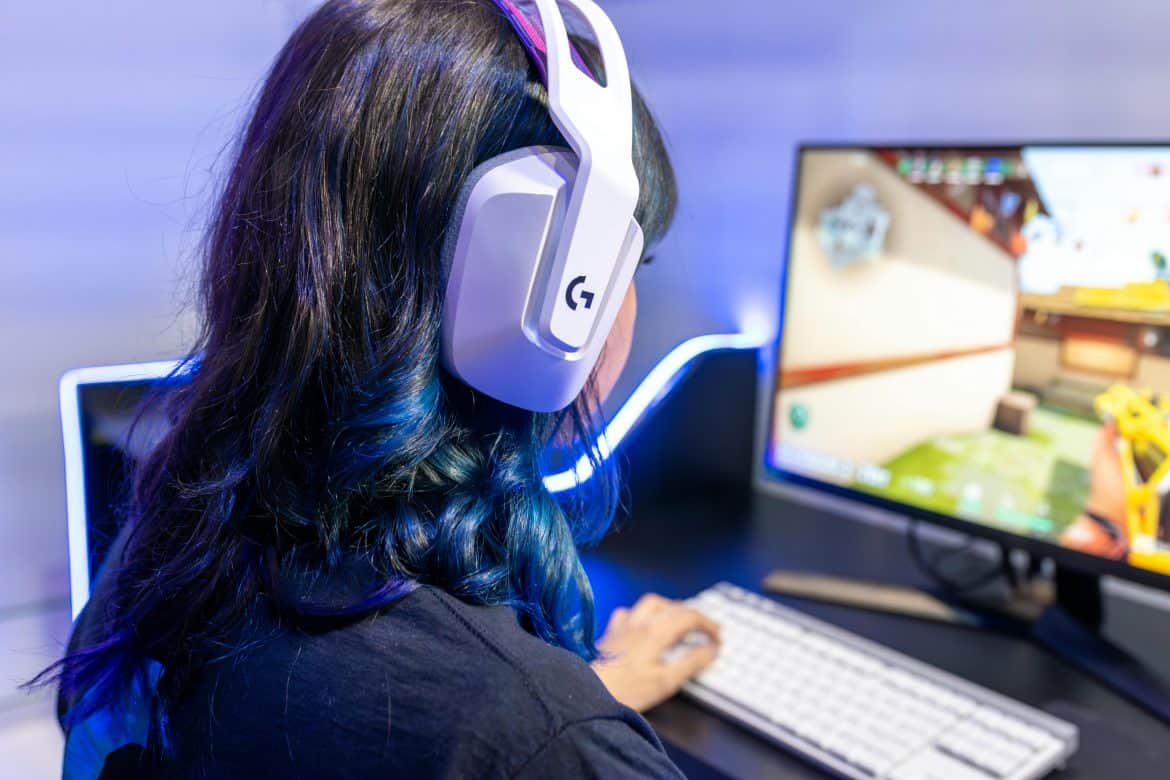
Playing your favorite online game can be fun until someone starts throwing some mean comments your way. And this happens to most gamers. Online games can bring friends together and can also create great experiences, but they also come with a dark side. Toxicity in video games touches almost everyone eventually. According to the research, about 72% of players have seen it happen.
But the bright side is that you can continue to keep playing the games you enjoy despite running into mean players. And here are some real ways to deal with toxic behavior without giving up gaming altogether.
What Toxicity Actually Looks Like
Toxic gaming behavior can go beyond playful teasing. It can also include direct harassment, hate speech, and griefing (when players purposely ruin your game experience). And in serious cases, it might also involve doxxing ( when someone shares your personal information online without even asking).
Games like Overwatch and World of Warcraft often see players being targeted because of who they are. Women hear comments about “going back to the kitchen” or get told they should only play healing characters. This creates a negative atmosphere that drives many people away from games they’d actually like to play. Toxicity in video games hurts both individual players and the entire gaming community.
The Extra Burden on Women and Marginalized Gamers
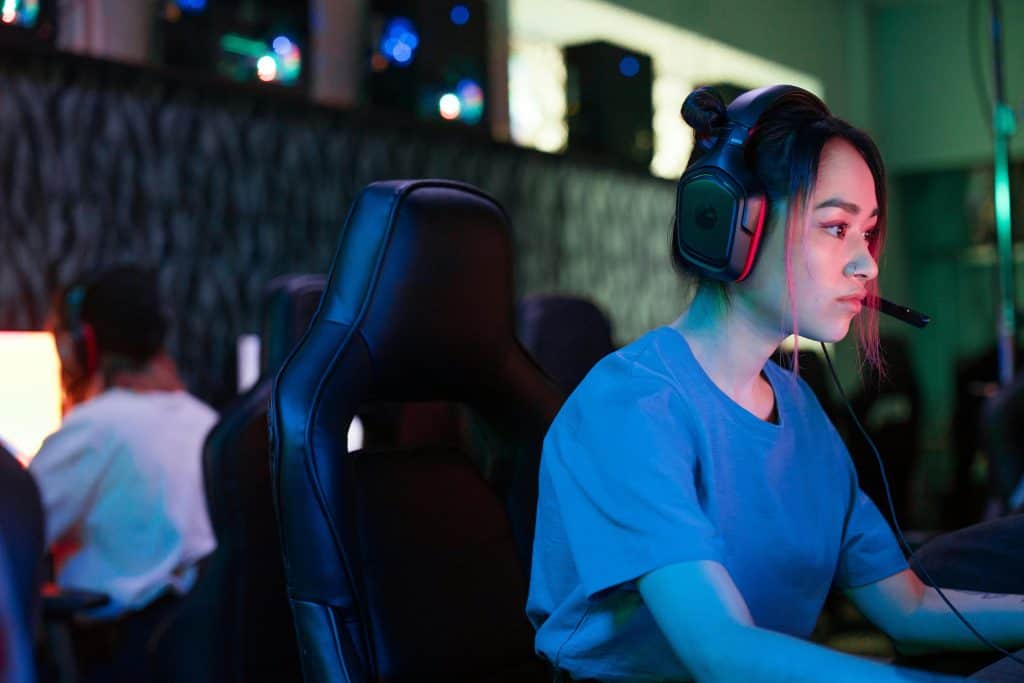
The gaming experience changes dramatically for many players once their gender or identity becomes known. As one player mentioned in our research, “People change when they hear your voice.”
Many women avoid using voice chat entirely to escape harassment. Others report being expected to take certain roles – like healers – simply because they’re female. The impact is serious: nearly half of women gamers have completely stopped playing a game because of toxic interactions.
Players from marginalized communities face similar targeted abuse. The Anti-Defamation League reports that over half of multiplayer gamers experienced harassment related to their race, ethnicity, religion, ability, gender, or sexual orientation.
Why Toxicity Spreads So Easily
The internet’s anonymous nature creates the perfect storm for bad behavior. When someone can say anything without facing real-world consequences, some people show their worst sides.
Toxicity in video games also spreads because it becomes normalized. New players see others behaving badly and start to think that’s just how gaming culture works. And even more concerning is that players who experience harassment can sometimes begin repeating those same behaviors to others. And it creates a cycle that is very hard to break.
But surprisingly, harassment does not always come from expected sources. Some women also report receiving particularly personal attacks from other women players. It shows how deeply these negative patterns can become embedded in gaming culture.
Smart Strategies to Protect Yourself
You don’t need to suffer through toxic gameplay. You can try the following approaches:
- Mute When Needed. Don’t hesitate to silence toxic players. Your mental health matters more than anything they might say.
- Use Voice Chat Wisely: Start with a party chat with friends. You can also join public channels only when necessary or with trusted teammates.
- Find friendly communities. Groups like Hardcore Girl Gamers can create safe spaces for players to connect without fear of harassment.
- Build your squad. Playing with friends creates a buffer against random toxic players. Even having one trusted teammate makes a huge difference.
- Report serious incidents. Game companies can’t fix what they don’t know about. Report harassment when you see it.
How Game Developers Are Fighting Back
Many game companies now recognize toxicity as a serious problem and are taking steps to address it:
- Riot Games implements zero-tolerance policies for certain behaviors in games like League of Legends
- The Fair Play Alliance brings together gaming companies to create healthier gaming environments
- Some games use behavior scoring systems to match players with similar attitudes
- Community managers actively monitor player concerns and flag problem behaviors
The best thing happens when player reports actually matter. When you click that “report player” button, good companies investigate what happened. They take it very seriously. They train their support teams to take harassment seriously and discipline those who engage in harassment. This makes games even more fun for everyone.
The Good Side of Gaming Communities

Good experiences in gaming still exist. Many players can make real friends through their favorite games. Supportive communities also form around shared interests. Some men intentionally treat women players with extra respect to counter the negative experiences they know occur.
Games should help you unwind after a tough day at school or work. By avoiding toxic players and backing positive changes, you can also make gaming better for yourself and everyone else.
Game On and Speak Out
Don’t give up your favorite games just because some people act terribly. Hit that mute button fast when someone starts being mean. You can also block the worst offenders right away. Also, try to find supportive communities and speak up when you see a problem.
You deserve to be in gaming spaces just like anyone else. Bad behavior from others doesn’t change that fact. With a few smart moves and some good teammates, online games can stay fun without ruining your day.